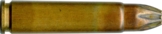
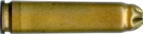
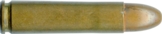
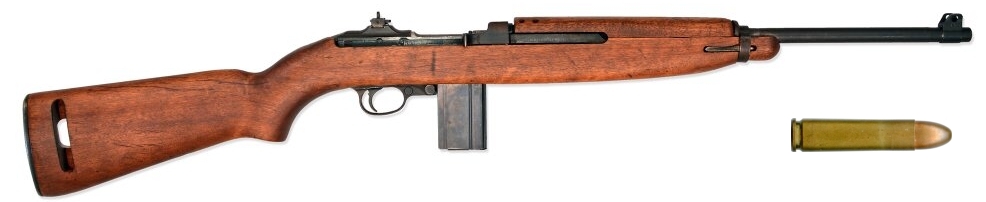
 30 M1 Carbine (early version)
Development of the 30M1 started in September 1940 in the search for a light weight shoulder weapon with an effective range of up to 300 yards with a .30cal. bullet based on the SLR (Self Loading Rifle) principle. The development of the cartridge was given to Winchester, but all commercial manufacturers in the US developed weapons for it. Original cases were made from turned down 32 SLR cases. The original name for this development was: Cartridge, Cal. 30 SR, M1 (Short Rifle).
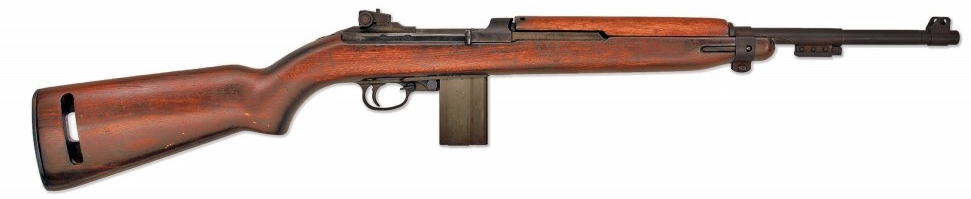 M1 Carbine (later version)
USA
EVANSVILLE CHRYSLER CORP.
Production at EC started in January 1943 with brass cased rounds and an E C 42 headstamp.

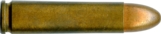

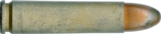 Steel case with Zinc-Cronak finish
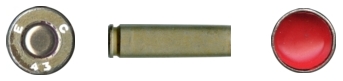
FRANKFORT ARSENAL

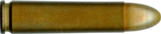


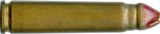 3 Petal T79 blank with red sealant for T12 blank firing tests at APG (HWS 3, p.101)

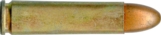

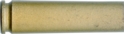 Teflon coated case
LAKE CITY ORDNANCE

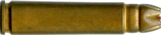

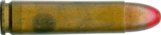 M16 Tracer cartridge

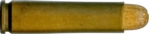





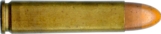 Dim Tracer (Orange tip)

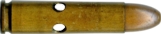
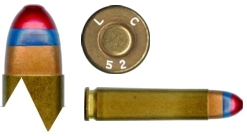

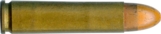
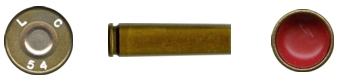

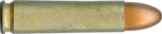

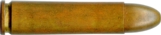

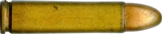

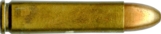
PETERS CARTRIDGE CO., KINGS MILL, OH, USA.

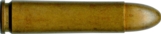

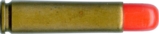
REMINGTON ARMS COMPANY

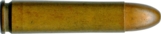

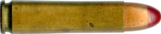 The development of tracer rounds (T24) for the M1 Carbine started in August 1943 on the request of the British Forces in Burma. Called the M16, it gave a visible trace up to 570 yards.

 High Pressure Test cartridge with 150gr. M2 ball bullet and tinned case. From 9 December 1943 onward, all cases were tinned.
WESTERN CARTRIDGE COMPANY

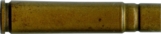 Early grenade blank, (unfinished) for the M9A1 Anti-Tank Rifle Grenade. This is the unfinished version of the experimental grenade blank (Fig. 47, HWS 1, p.49)

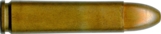

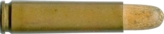

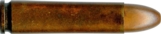

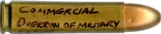


WINCHESTER REPEATING ARMS COMPANY

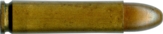 This was the first headstamp that was used on the 30 M1 Carbine

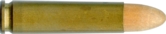 Early dummy load with wooden distance piece

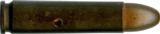 Early dummy load with blackened case with small hole drilled and normal GM bullet
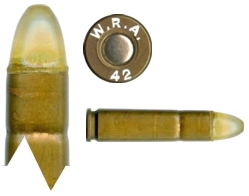
Signal cartridge (T96). This was part of the effort when the Chief of Ordnance gave a contract to National Fireworks Co. late in 1945 for the development of a signal cartridge for the 45 ACP. This specimen has a cellulose-acetate bullet with pyrotechnic charge. This round was tested at Aberdeen Proving Ground in 1946-47 and gave a trace to a height of 300-350 feet. (HWS3, p.103)

 This is the M18 Alternative HPT round with GMCS bullet

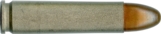 Standardised (M1) dummy with tinned case and blind primer pocket

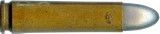

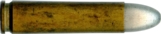
On March 6, 1944 the tinning of cases was abandoned and normal brass cases were used but with a tinned bullet. Normally cases were drilled, although this did not always happen in practice

 HPT (High Pressure Test). The star on the headstamp is noted during 1944-45 where the drawing process for the cases was changed by Winchester from the New Haven procedure to the East Alton plant layout.

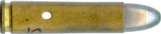



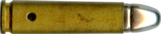


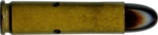

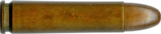



 WRA production during the Korean War, with 4 primer crimps.

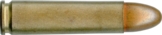

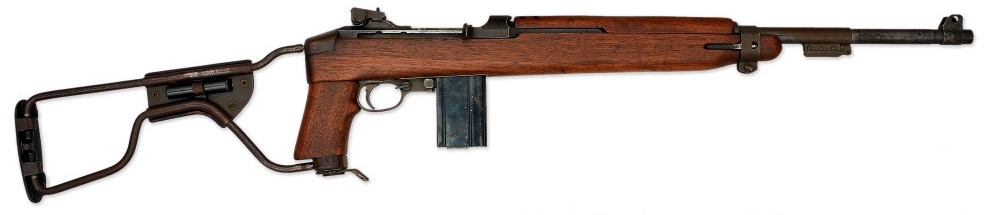 M2 Carbine with folding stock
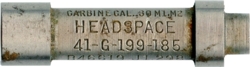 Headspace gauge
US COMMERCIAL

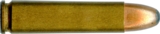

 ?
?

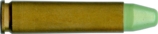


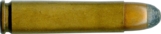


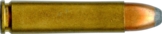

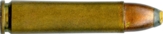 “Exploder” with yellow tip

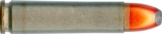 Proof loading

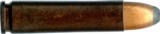

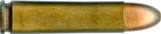
AUSTRIA

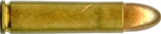

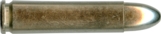

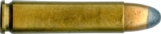


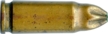

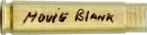
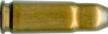 These two specimens are probably movie blanks
BELGIUM








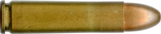
BRAZIL

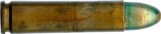

DOMINICAN REPUBLIC


FRANCE
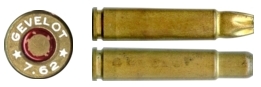

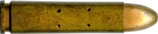


SF I = SFM – Socièté de Metallurgy Franco-Belge a Issy-les-Moulineaux

TE = Ateliers de Construction, Toulouse
C = Compagnie Française des Métaux, Castelsarrasin

VE = Cartoucherie de Valence, France
BD = Les Fils de Victor Bidault & Cie, de Vitry sur Seine

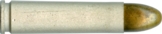


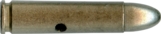

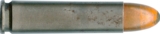
C = Compagnie Française des Métaux, de Castelsarrasin

F = Tréfilerie et Laminoirs de la Mediteranee a Saint-Louis (Socièté Huart et Cie. à Marseille)

N = Etablissement Navarre de Evreux

R = Tréfileries et Laminoirs du Havre, Rugles

S = Compagnie Française des Métaux Sérifontaine
GERMANY

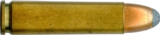


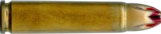


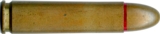

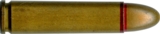


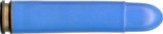

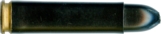

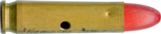

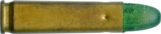

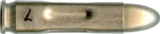

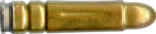 HUCK Dummy

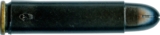

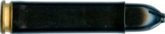

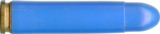



HOLLAND






ITALY


MEXICO


NORWAY




PHILIPPINES
 Squires Bingham
SERBIA

SOUTH KOREA


TAIWAN

UNITED KINGDOM

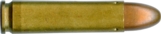 Reference load


UNKNOWN/UNCERTAIN