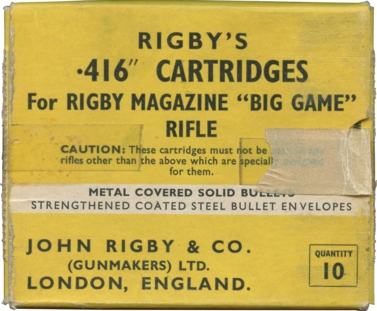
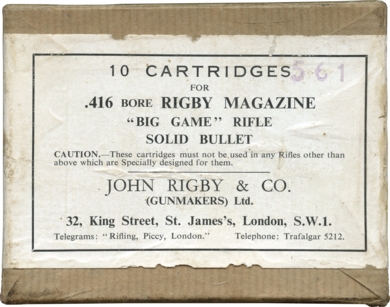
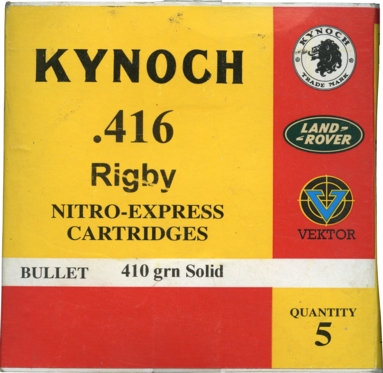
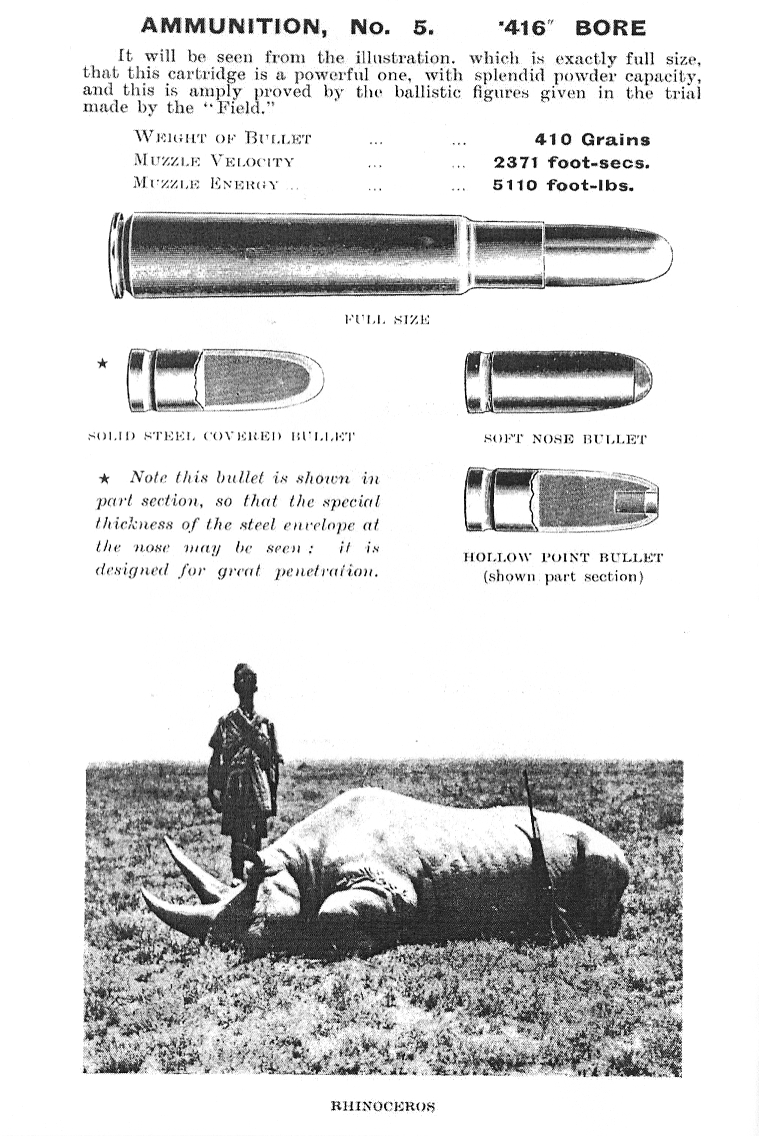
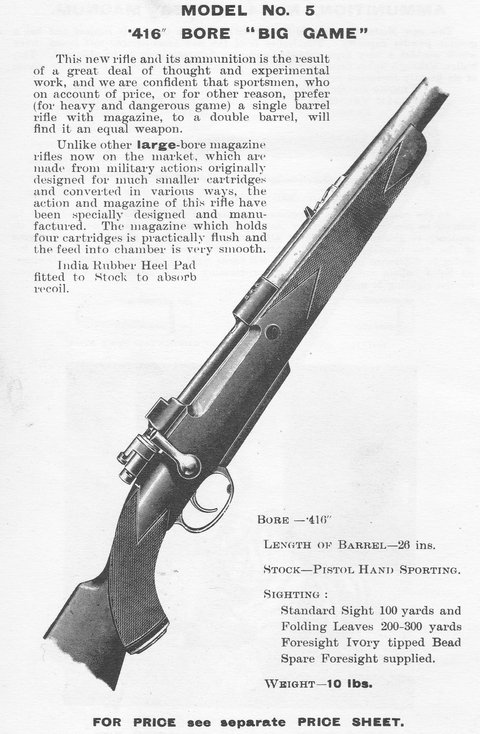
The name of Rigby has always been synonymous with the finest quality rifles. Irish gunmaker John Rigby started the firm of John Rigby & Co. in 1775 in Dublin, manufacturing high quality flintlock rifles and muskets. In 1816, two years before his death he brought his son William into the business, who later took in his brother John Jason Rigby, and together they continued the tradition of the finest quality rifles. Discussed elsewhere, firearm technology expanded rapidly during the closing years of the Nineteenth and into the Twentieth Century, most notably the development of cordite and smokeless propellant. Big game hunting in many instances was still the privilege of the aristocratic class with expensive double rifles, but firms like W.J. Jeffery & Co. developed the 404 Jeffery, Westley Richards launched their .425 WR, as well as the Germans with their high quality Mauser rifles. The magazine rifle with more capacity than a double rifle was becoming increasingly popular but feeding rimmed cartridges through a magazine while facing the sharp end of a wounded buffalo, elephant or lion presented a challenge. Rigby saw the opportunity and contracted with Mauser to be the sole agent for Mauser rifles and actions in England and set out to develop his own proprietary rimless cartridge from scratch and the 416 Rigby was the result.

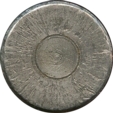

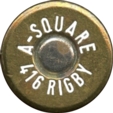

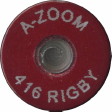
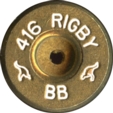
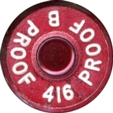
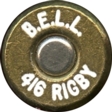
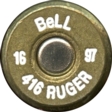
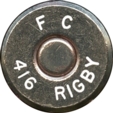
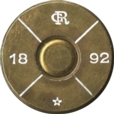
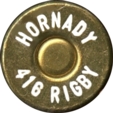
The first on the left is a solid nickel dummy/armourers gauge, The specimen from Bell is marked as a 416 Ruger, but it is a Rigby commemorative that was made for Bill Ruger. 16 is for Bill’s birthday and 97 is for the year the cases were made. The <GR> specimen is not seen very often, this case was made by the firm of Georg Roth (Austria).
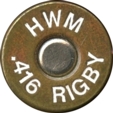
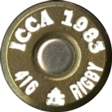
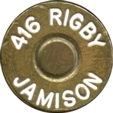

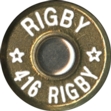
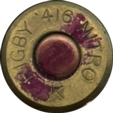
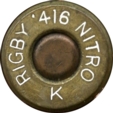
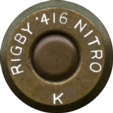
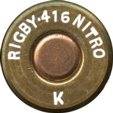
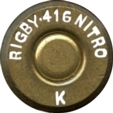
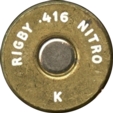

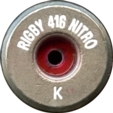

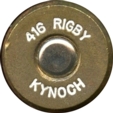
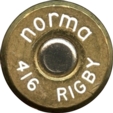
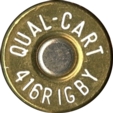
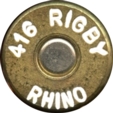
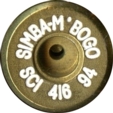
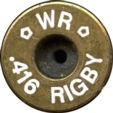














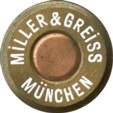
Empty case on the right is the Georg Roth specimen. The 416 Rigby was also listed by various European manufacturers as the 10.5 x 73 Miller & Greiss